
What alpha-2-macroglobulin is
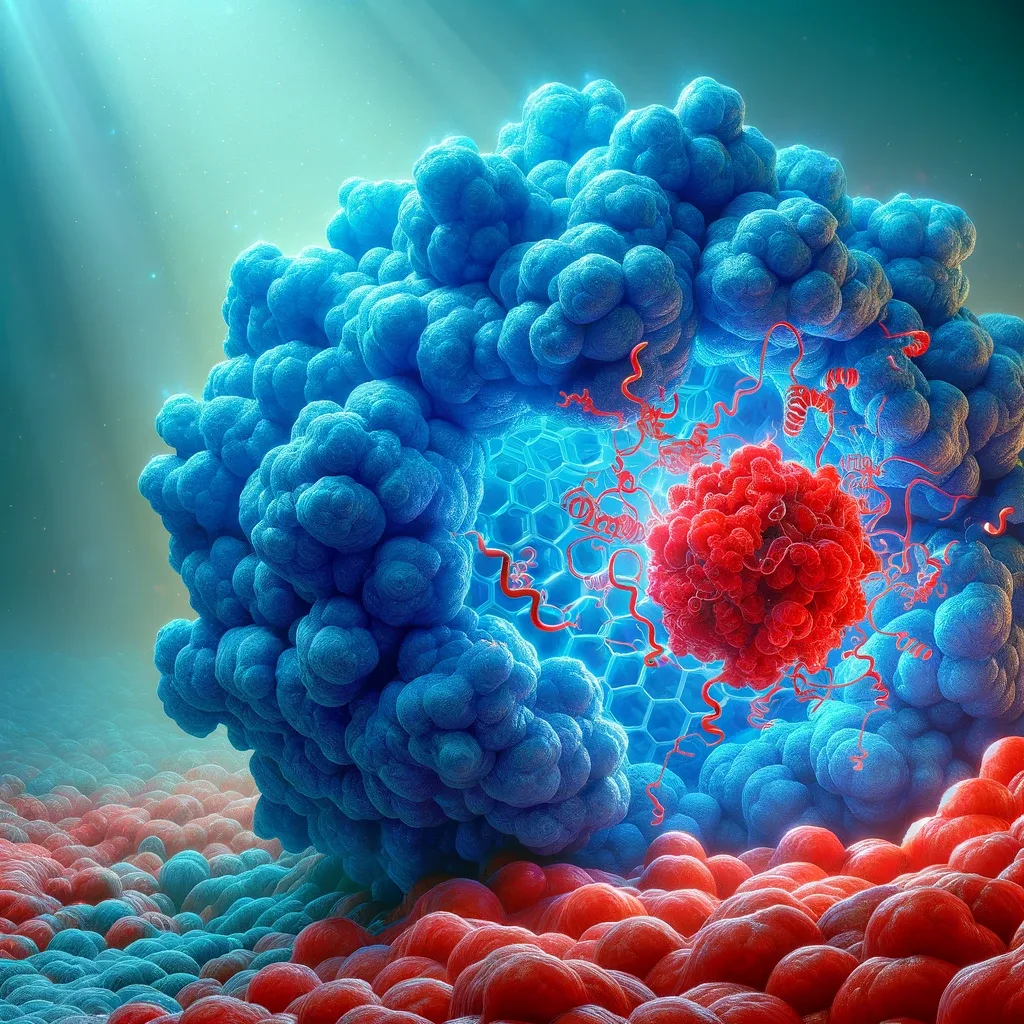
Alpha-2-macroglobulin — A2M for short — is a large protein that already circulates in your blood. Its natural job is to act as a broad-spectrum trap for enzymes, grabbing and neutralizing a wide range of proteases before they can do damage elsewhere in the body. It's part of your normal defensive machinery, not a drug or a foreign substance.
The A2M treatment builds on that biology. Blood is drawn and processed to concentrate the naturally occurring A2M, and the concentrate is injected into an arthritic joint. Like PRP and BMAC, it's an autologous treatment — everything comes from you, so there's no donor material and no engineered drug involved. That's part of why it sits within the broader orthobiologics program rather than off a pharmacy shelf, and part of why its safety profile is reassuring even while its benefits are still being studied.
How it's thought to work
The theory behind A2M is elegant. In an arthritic joint, cartilage isn't just passively wearing away — it's being actively chewed up by cartilage-degrading enzymes, a group of proteases that break down the structural proteins holding cartilage together. A2M is one of the body's own inhibitors of exactly those enzymes.
By concentrating A2M and delivering it straight into the joint, the aim is to tip the local balance back toward protection — soaking up the destructive enzymes so they cause less ongoing damage, and, the hope goes, easing the inflammatory chemistry that drives pain. It's important to be precise about the claim: this is about slowing a damaging process and calming symptoms, not regrowing cartilage that's already gone. Any clinic promising regeneration is overselling it, and that gap between an appealing mechanism and proven results is exactly where you should keep your expectations grounded. A treatment can make good biological sense and still turn out to help less than hoped in practice, which is why the science is worth understanding but not worth mistaking for a guarantee.
How the treatment is done
An A2M treatment is an office procedure, similar in feel to other blood-derived injections. There's no incision, no general anesthesia, and most people are in and out in about an hour.
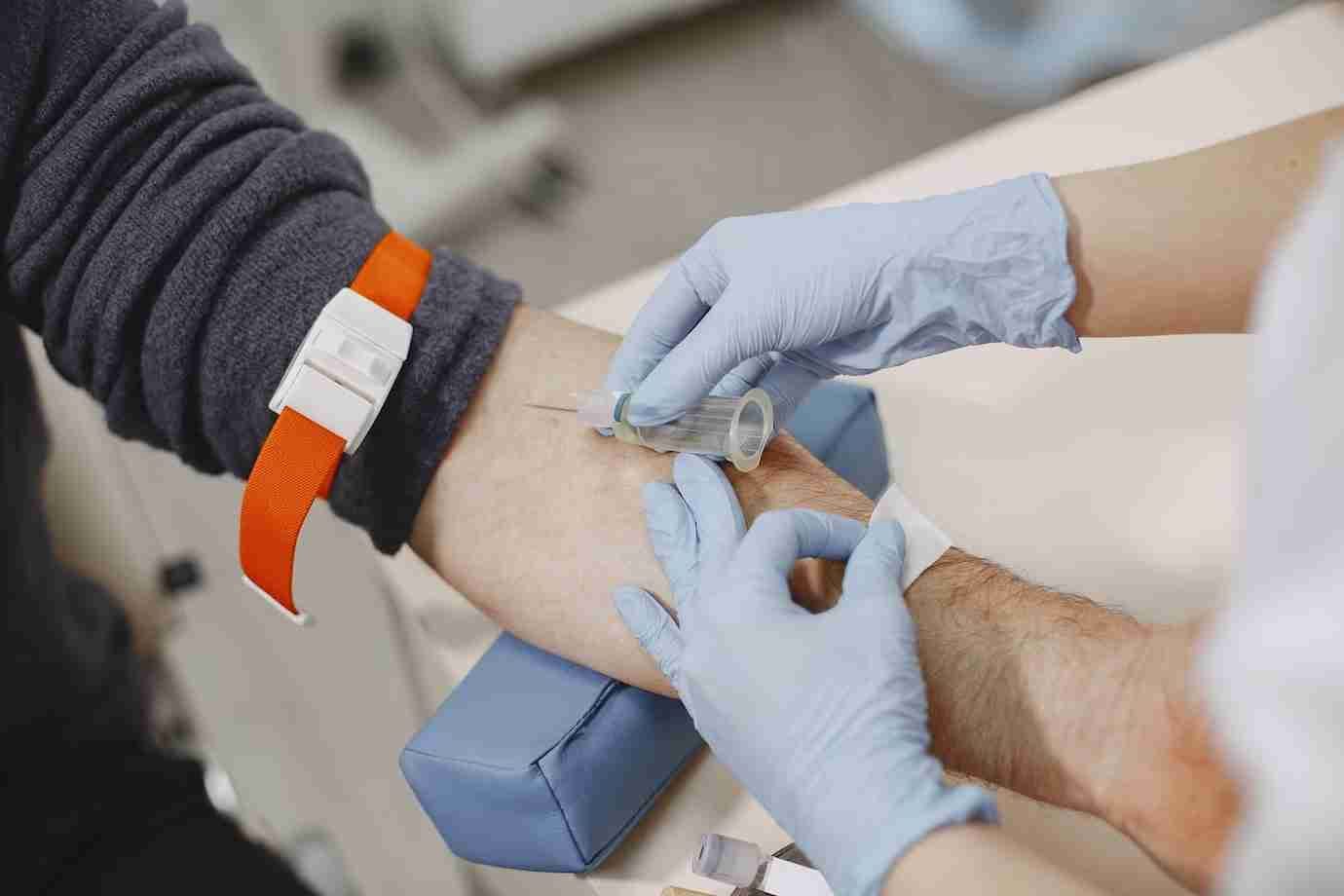
- A sample of your blood is drawn, much like a routine lab test
- It's processed to concentrate the naturally occurring A2M protein
- The concentrate is injected into the target joint, with image guidance when the target calls for it
- The visit is done under local numbing — no general anesthesia and no incision
- Expect a day or two of soreness and fullness in the joint afterward
- Most people return to light activity the same day
Where the evidence actually stands
Here's the honest part the marketing tends to skip: A2M for arthritis is an emerging treatment. The underlying science — that these enzymes damage cartilage and that A2M inhibits them — is well established. What's still maturing is the clinical proof that injecting concentrated A2M produces reliable, lasting benefit in real patients. High-quality, long-term studies are limited, and much of the enthusiasm rests on the mechanism and early experience rather than large trials.
That doesn't make A2M snake oil, but it does mean expectations should be measured. It's reasonable to view A2M as a promising option worth discussing, not a proven standard of care. A surgeon who can offer the whole ladder — from conventional injections to joint replacement — has no incentive to oversell any single product, and that's exactly the person you want framing whether A2M makes sense for you, and telling you when your money is better spent elsewhere.
How A2M compares to PRP and BMAC
All three treatments come from your own body, but they aren't interchangeable. PRP concentrates platelets and their growth factors to modulate inflammation and support healing — it's the best-studied of the group and usually the first biologic tried. BMAC harvests cells and growth factors from your bone marrow and is reserved for heavier jobs. A2M is different again: it isn't about growth factors or cells at all, but about a single protein whose job is to block the enzymes chewing up cartilage.
Because their mechanisms differ, so do their best uses, and none of them is automatically the right answer. Which biologic fits — if any — depends on your diagnosis, the stage of your arthritis, and your goals, not on which product a clinic happens to feature. That's a judgment call best made after an exam and imaging, alongside a candid look at the whole preservation ladder.

Who might consider it — and the cost reality
A2M tends to be discussed for patients with early-to-moderate joint arthritis who want to stay active, who understand the honest goal of slowing damage and easing symptoms rather than curing arthritis, and who are comfortable trying an option where the evidence is still developing. It is generally not the answer for an end-stage, bone-on-bone joint, where replacement usually serves you better.
Because insurers still classify A2M as investigational, it's a cash-pay treatment quoted transparently before you decide — no packages pushed. Whether A2M, PRP, gel, or something else fits best is a diagnosis question, not a menu choice, and it should follow a real exam and imaging. It's also worth remembering that the fundamentals — strengthening the muscles around the joint, managing weight, and staying active within comfortable limits — do more for most arthritic joints than any injection, and they cost nothing but effort. A2M, if it has a role for you, works best as one part of that larger plan rather than a shortcut around it. Start with an orthopedic consultation to get a straight answer about where your joint stands and which option, if any, is worth your money.
Medically reviewed by Paul Norio Morton, MD, FAAOS, FAAHKS. Last reviewed: . This article is for education only and isn’t a substitute for an exam and personalized advice — schedule a consultation to discuss your situation.