

Precision: robotics and 3D planning
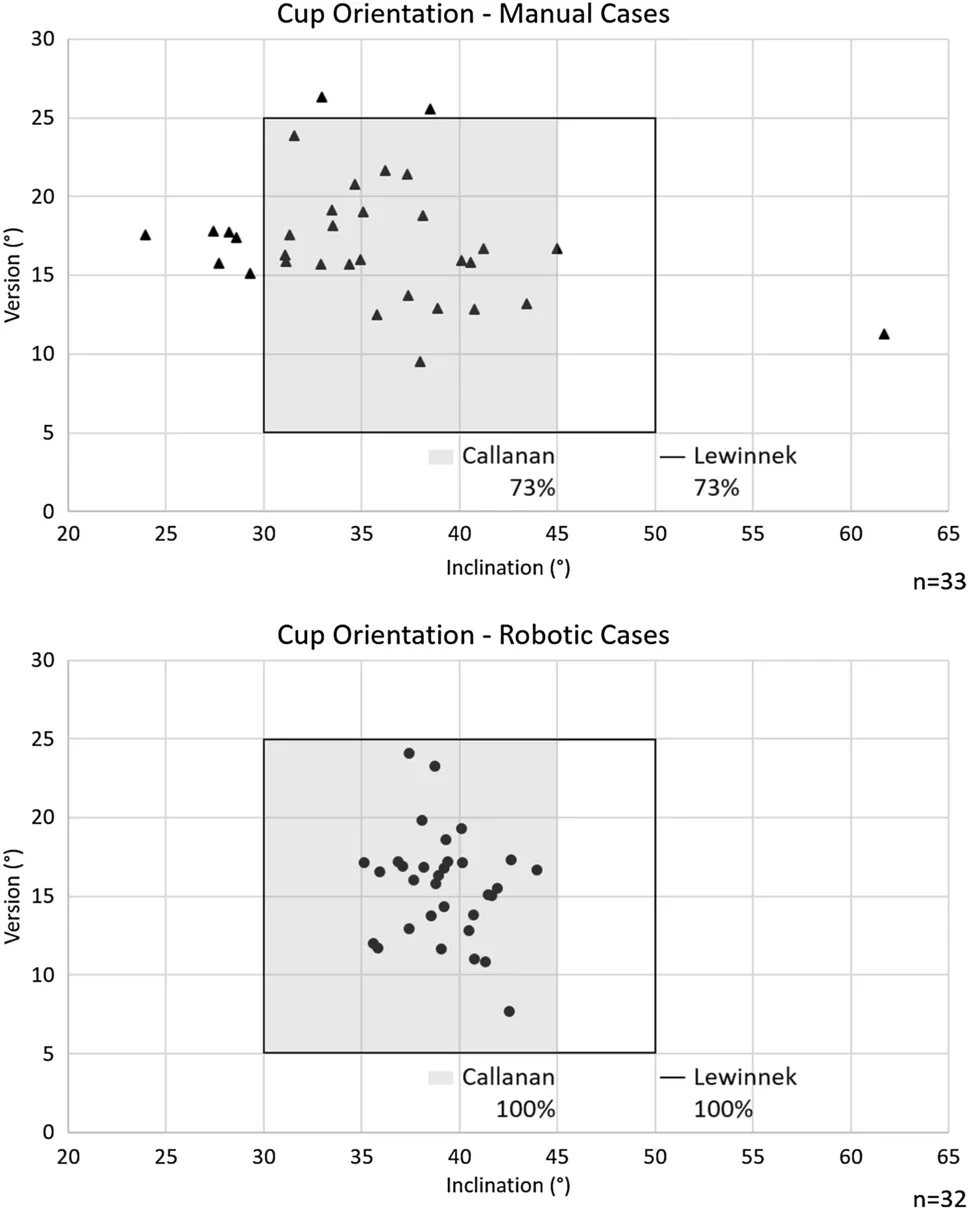
Implant position drives everything downstream — wear, stability, feel, longevity. Robotic platforms turn a personalized 3D plan of your joint into sub-millimeter execution, with live feedback on alignment and soft-tissue balance during surgery. Dr. Morton performed Hawai‘i's first robotic hip replacement, is certified on four platforms (ROSA®, MAKO, CORI, VELYS), and was the first surgeon in Hawai‘i fellowship-trained in robotic joint replacement. For knees on O‘ahu he operates primarily with ROSA at The Queen's Medical Center and with CORI at Adventist Health Castle. On Hawai‘i Island the plan is built from a CT scan of your own joint on Mako, the platform used for hip and knee replacement at Hilo Community Surgery Center — and for his robotic hips. The deeper story lives on the technology page, robotic hip, and robotic knee pages.
Less trauma: the approach revolution
How a surgeon reaches your joint determines how your first month feels. The modern answer is around muscle, not through it:
- Subvastus knee approach — the quadriceps tendon is never divided; earlier walking, stronger starts
- Direct anterior hip — muscle-sparing, lower dislocation risk, usually no hip precautions
- Bikini incision — the anterior approach through a cosmetic groin-crease incision
- Tourniquet-free knee surgery — no thigh cuff, less pain and swelling, faster quad recovery
Smarter implants: cementless and sensor-equipped
Two implant revolutions matter to patients. Cementless fixation: porous surfaces your own bone grows into — a living bond instead of acrylic grout, particularly valuable for younger, active patients. And smart implants: the Persona IQ® knee carries sensors that measure steps, speed, and range of motion, reporting recovery data to your care team daily. Dr. Morton placed Hawai‘i's first in October 2022; he offers it only when he is using Zimmer Biomet implants.

Faster, safer recovery: the protocol around the surgery
Technique only pays off inside the right system: opioid-sparing multimodal anesthesia (regional blocks, long-acting local anesthetic, scheduled non-opioids, iovera° pre-treatment), same-day mobilization, and outpatient discharge for qualified patients — walking within hours, home within 24. The rapid-recovery protocol details the arc, and lifetime implant surveillance keeps watch for decades after.
Medically reviewed by Paul N. Morton, MD, FAAOS, FAAHKS — board-certified orthopedic surgeon, fellowship-trained in adult hip & knee reconstruction and orthopedic trauma. Last reviewed: .
This page is for education only and isn’t a substitute for an exam and personalized advice — schedule a consultation to discuss your situation.