
What is an orthopedic second opinion? The short answer
An orthopedic second opinion is an independent review of your imaging, records, and surgical recommendation by a surgeon who wasn't part of the original decision. Dr. Paul Norio Morton, MD, FAAOS, FAAHKS — a fellowship-trained hip and knee surgeon — provides them at Pacific Bone & Joint in Honolulu, or by telehealth when travel isn't practical, and delivers a written impression with plan options. Send your images one to two weeks before your visit.
- Imaging re-read by the surgeon himself, not just the radiology report
- Covers new recommendations and joints that were already replaced and still hurt
- In person at Ala Moana, Kunia, Hilo or Kona — or by telehealth with imaging taken near home
- A written impression you can take back to your own surgeon — no pressure to switch
- Most plans cover it like a specialist visit; the office verifies benefits when you schedule
When a second opinion earns its keep
Some moments practically demand one:
- You've been told you need a joint replacement and want certainty before scheduling
- A previous replacement still hurts and nobody can tell you why
- Your diagnosis keeps changing — or treatments keep failing without explanation
- You've been offered a procedure that feels aggressive for your symptoms
- You were told "nothing can be done" and you're not ready to accept that
- Insurance or an employer requires an independent review
What the review actually involves
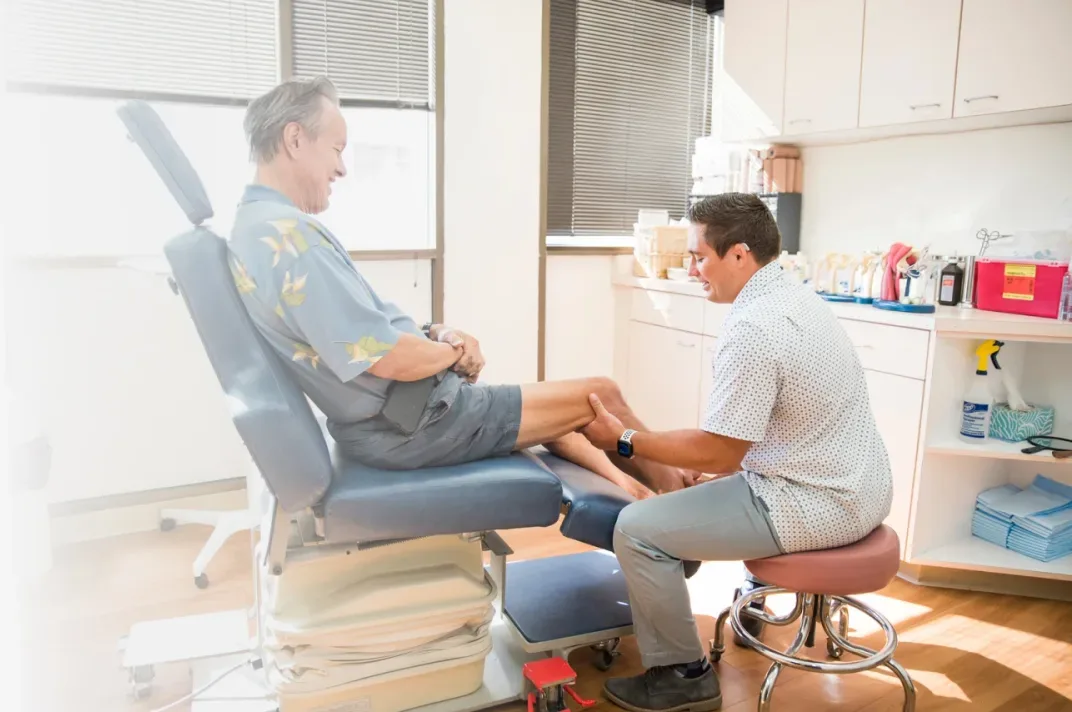
This isn't a five-minute glance at an X-ray. Dr. Morton re-reads your imaging himself, reviews operative and clinic notes, examines you (in person, or by telehealth with local imaging for neighbor-island patients), and — critically — listens to the story your chart doesn't tell. The output is a clear impression: the diagnosis as he sees it, whether the recommended plan matches it — a hip replacement, a knee replacement, a partial knee, a smaller procedure, or nothing yet — and what he would do if you were his family member. Sometimes that's "your surgeon is right — proceed with confidence." That answer has value too.
- Step 1
Send your records
Imaging, operative reports, and the recommendation you were given, ideally one to two weeks before your visit — Hawai‘i imaging is usually retrieved electronically.
- Step 2
Personal re-read
Dr. Morton reviews the images himself and reads the clinic and operative notes before you meet.
- Step 3
Exam and conversation
In person, or by telehealth with local imaging when travel isn't practical — and the story your chart doesn't tell.
- Step 4
Written impression
Diagnosis, whether the plan fits, and your options — in writing you can take anywhere.

What to bring — or send ahead
Gaps are fine; the office fills them. But the sharper the record, the sharper the answer:
- X-rays — ideally standing (weight-bearing) views of the joint
- MRI or CT, with the report and the images themselves, not just the summary
- Operative reports for any prior surgery, including implant details if a joint was replaced
- The written recommendation you were given, and any clinic notes
- A current medication list and relevant labs, especially if infection is a question
- A photo ID and insurance card — benefits are verified when you schedule
The referral practice for hard problems
Second opinions here skew complex, because other orthopedists send their difficult arthroplasty cases to Dr. Morton's Revision Hip & Knee Clinic — painful replacements, suspected infections, metal reactions, instability, and mystery pain. The workup is systematic: targeted labs, aspiration when infection is in question, and advanced imaging including Metal Artifact Reduction MRI. Failed joints hide their reasons; the job is to find them before anyone operates again.
No hard feelings — and no pressure
Two things patients worry about, answered: Your current surgeon won't be offended — second opinions are normal practice in orthopedics, and good surgeons welcome them. And you're not committing to switch — many patients take Dr. Morton's written impression back to their original surgeon and proceed there, better informed. The goal is a decision you trust, wherever you have surgery. Start with a consultation — schedule online in a few taps — or call (808) 439-6201. Clinics in Honolulu (Ala Moana), West O‘ahu (Kunia), Hilo and Kona; most new patients are seen within one to two weeks. Managed-care and Medicaid/Quest plans need a referral from your primary care physician, which the office helps arrange. Telehealth is offered when an in-person visit isn't practical.
Medically reviewed by Paul N. Morton, MD, FAAOS, FAAHKS — board-certified orthopedic surgeon, fellowship-trained in adult hip & knee reconstruction and orthopedic trauma. Last reviewed: .
This page is for education only and isn’t a substitute for an exam and personalized advice — schedule a consultation to discuss your situation.