

The multimodal idea: several small levers instead of one big one
The best pain control after joint replacement comes from several ordinary medications, taken on a schedule, each blocking pain by a different route — not from one strong drug. That is the multimodal approach: acetaminophen and an anti-inflammatory as the round-the-clock foundation, cold therapy and elevation working quietly in the background, and a small supply of opioid reserved for breakthrough pain only. Because each medication attacks pain differently, the combination controls pain better than a large dose of any single drug, with fewer side effects.
The home plan continues what starts in the operating room: long-acting local anesthetic around the joint, nerve-calming medications, and often iovera cryoneurolysis before knee surgery. The philosophy behind all of it — and why my patients need dramatically fewer opioids — is covered in opioid-sparing surgery. Your discharge paperwork lists your exact doses; where it differs from this page, the paperwork wins.
The foundation: scheduled acetaminophen plus an anti-inflammatory
Acetaminophen (Tylenol) and an anti-inflammatory such as ibuprofen, naproxen, celecoxib, or meloxicam form the base of the plan. The single most common mistake I see is taking them only when pain gets bad. Take them on schedule, as your discharge instructions direct, for the first one to two weeks — staying ahead of pain takes far less medication than chasing it, and it keeps the opioid bottle closed.
Two safety rules. First, never exceed the daily acetaminophen maximum on your instruction sheet, and remember that some combination opioid pills contain acetaminophen too — it all counts toward the same limit. Second, take anti-inflammatories with food, and make sure they are safe for you: kidney disease, a history of stomach ulcers, and certain blood thinners can change this part of the plan, which is why we review your medication list before surgery.
Opioids: a small supply, for breakthrough pain, tapered fast
You will usually go home with a small supply of an opioid such as oxycodone or tramadol. Its job is narrow: breakthrough pain that the foundation medications can't cover — typically nights and therapy days early on. Used that way, most of my patients need opioids for only a few days to a couple of weeks, and some never open the bottle.
Taper by stretching the time between doses, then dropping doses entirely — daytime doses usually go first, the bedtime dose last. The opioid is always the first medication to stop, while the scheduled foundation continues. Expect the knee or hip to talk back a little as you taper; that's normal and settles. But if you find yourself needing more opioid over time instead of less, call the office rather than doubling up — escalating pain is something we want to evaluate, not mask.
- Take the lowest dose that makes pain manageable — comfort, not zero pain, is the goal
- No driving while taking opioids
- No alcohol, and no combining with sleeping pills or anxiety medication unless your doctor approves
- Store the bottle locked and out of sight — not in the bathroom cabinet
- Stop the opioid first; keep the scheduled acetaminophen and anti-inflammatory going
Blood thinners: protection you take even though you feel fine
Joint replacement temporarily raises the risk of blood clots in the legs, so nearly every patient goes home on a blood thinner. For most healthy patients that means aspirin for several weeks; patients with a history of clots or other risk factors may be prescribed a stronger anticoagulant instead. Whichever you are given, the rule is the same: take the entire course, even though you feel well, because the clot risk outlasts the pain. If you were already on a blood thinner before surgery, you'll get specific instructions for restarting it — follow those, not the general plan.
Walking is the other half of clot prevention — frequent short walks and ankle pumps keep blood moving. Call the office about new, one-sided calf pain or swelling, and call 911 for chest pain or sudden shortness of breath. Mild bruising is common on blood thinners and usually harmless; heavy or unusual bleeding, black stools, or blood in the urine deserve a same-day call.
The supporting cast: stool softeners, nausea control, and ice
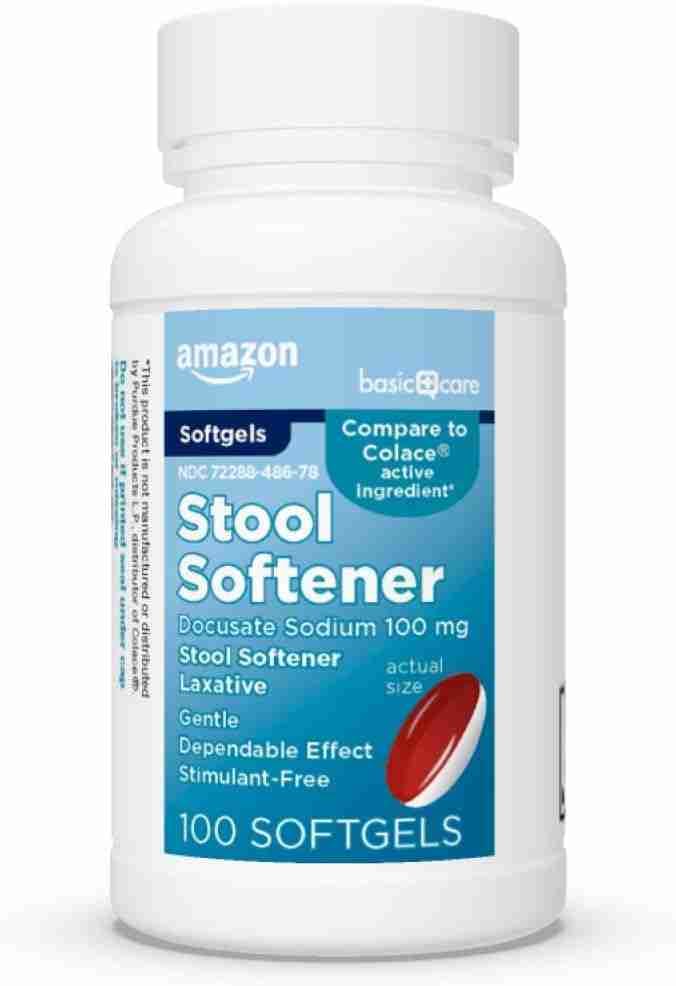
Constipation is the most predictable side effect of the first week — anesthesia, opioids, and inactivity all slow the gut. Don't wait for it: start the stool softener with your first opioid dose, drink water steadily, add fiber, and walk. If you haven't moved your bowels in two to three days, add an over-the-counter laxative as your instructions describe, and call if that fails. Nausea medication is often prescribed for the first days; if opioids upset your stomach, take it before the pain pill rather than after.
Then there is the medication that isn't a pill: cold. Icing 15–20 minutes at a time with a cloth barrier, several times a day, plus elevation, measurably reduces how much of everything else you need. Treat it like a scheduled drug — the full routine lives in the guide to a speedy recovery after joint replacement.
Safe use, storage, and disposal
Leftover opioids in a drawer are a hazard to everyone in the house — a large share of misused pills come from someone else's prescription. When you no longer need them, get rid of them. Drug take-back boxes at many pharmacies and police stations are the best option. If none is available, mix the pills with something unappealing such as used coffee grounds or cat litter, seal the mixture in a bag, and put it in the trash — after scratching your name off the bottle.
A few final habits keep the whole plan safe: keep one written list of everything you take and show it to every provider; fill everything at one pharmacy so interactions get caught; resume your regular home medications only as instructed at discharge; and never add a new medication or supplement in the first weeks without checking first. If you are still planning surgery, how your health and current medications shape this plan is exactly what a consultation is for.
- Lock opioids away from children, teens, and visitors
- Return unused opioids to a pharmacy or police take-back box
- No take-back nearby? Mix pills with coffee grounds or cat litter, seal, and trash
- Keep one up-to-date medication list and one pharmacy
- Call the office before adding any new medication or supplement
Medically reviewed by Paul Norio Morton, MD, FAAOS, FAAHKS. Last reviewed: . This article is for education only and isn’t a substitute for an exam and personalized advice — schedule a consultation to discuss your situation.