

PRP knee injections — the short answer
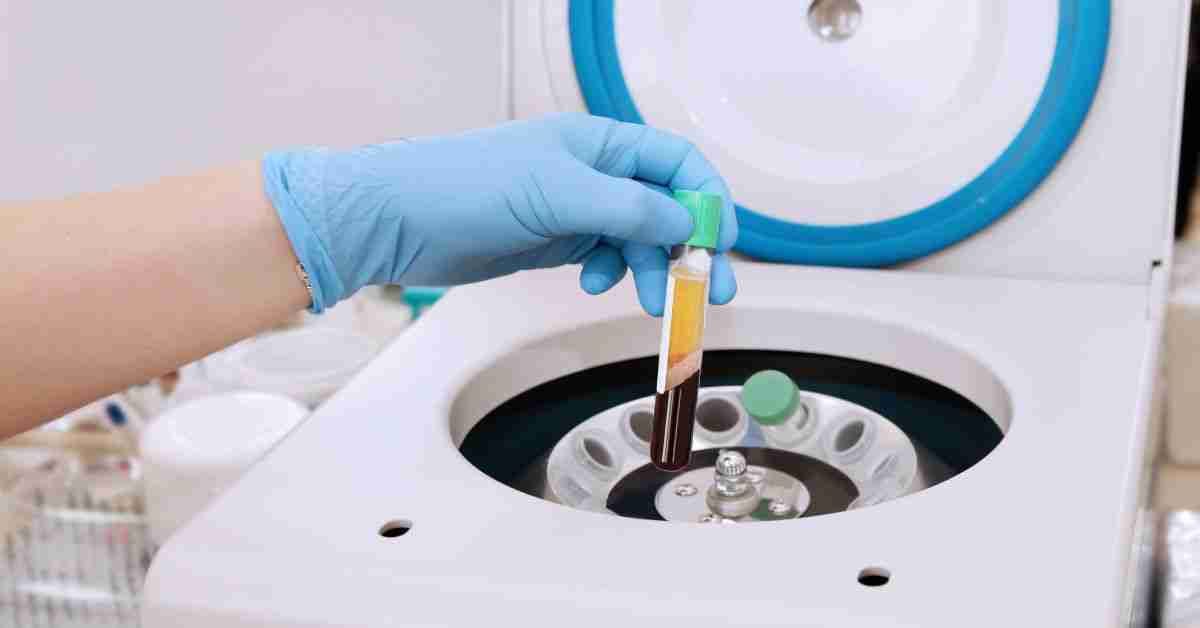
A PRP knee injection is a one-hour office visit: a blood draw, fifteen minutes in a centrifuge, and an ultrasound-guided injection of your platelets into the knee. Dr. Paul Morton, a fellowship-trained hip and knee surgeon, uses it for mild-to-moderate arthritis and select tendon and meniscus problems. Expect a sore knee for a day or two, a series of three, and relief often lasting six months or longer in responders.
- Prep — a blood count may be ordered; NSAIDs and blood-thinning supplements are usually held for about a week; prescription blood thinners are coordinated with your prescriber, never stopped on your own
- The visit — about an hour, local numbing only, you drive yourself home
- Aftercare — ice, acetaminophen, no NSAIDs for about two weeks, no strenuous exercise for two to four weeks
- Cost — cash-pay, quoted in writing before you decide; the consultation is often covered
- Skip it if — the knee is bone-on-bone, or the pain is a mechanical problem PRP can't fix
What PRP actually is
Platelet-rich plasma is made from your own blood — nothing is added and nothing foreign is introduced. Platelets are the cells that rush to any injury first, and they carry a payload of growth factors, including PDGF (platelet-derived growth factor) and TGF-β1 (transforming growth factor beta), that signal cells to repair tissue and help regulate inflammation.
A PRP treatment simply concentrates that machinery: a small tube of blood, a spin in the centrifuge, and an injection of the platelet-rich layer into your knee. No laboratory-grown cells, no donor material. The clinical detail — and the evidence, with sources named — is on the PRP procedure page.
What PRP can and can't do for a knee
Here is the honest version: PRP does not regrow cartilage, and no reputable surgeon will promise that it does. What it can do is calm the inflammatory chemistry inside an arthritic or irritated knee, so the joint hurts less and tolerates activity better. Think of it as changing the environment inside the knee, not rebuilding its parts.
The best-studied use is mild-to-moderate knee arthritis — that page covers who responds and how PRP compares with cortisone and gel. PRP is also used for stubborn tendon problems around the knee, such as jumper's knee, and for select degenerative meniscus tears; a torn meniscus that locks or catches is a mechanical problem that needs its own evaluation for meniscus repair, not an injection. A knee that is already bone-on-bone has less to gain, and for those knees an honest conversation about knee replacement serves you better than another shot.
Before your visit: how to prepare
A little preparation protects your result — and one part of it protects your safety.
- Blood test. Dr. Morton may order a complete blood count (CBC) to confirm your platelet levels before the first injection.
- Prescription blood thinners and antiplatelet drugs. Never stop these on your own. If you take one — for a heart stent, atrial fibrillation, a prior clot, or any other reason — the office coordinates with your prescribing physician or cardiologist to decide whether a brief pause is safe, or whether PRP should wait.
- Over-the-counter anti-inflammatories (ibuprofen, naproxen, aspirin) and blood-thinning supplements such as fish oil, flaxseed oil, and bromelain are usually held for about a week beforehand, because they can blunt the healing response PRP depends on. The office confirms exact timing for you.
- Not a candidate if you have a low platelet count or abnormal platelet function, an active infection, severe anemia, or active cancer.
- Bring a photo ID, your insurance card, a medication list, and any prior X-rays or MRI; if your imaging was taken in Hawai‘i, the office can usually retrieve it electronically. Wear or bring shorts.
What the appointment feels like
Plan for about an hour, all in the office. The injection itself takes seconds; most people feel pressure and fullness rather than sharp pain. There is no general anesthesia, no incision, and no need for someone to drive you home unless you'd simply prefer the company. If a needle makes you nervous, tell us — a calm, unrushed visit is part of the job.
- Step 1
Check-in and exam
Dr. Morton confirms the target and answers last questions.
- Step 2
Blood draw
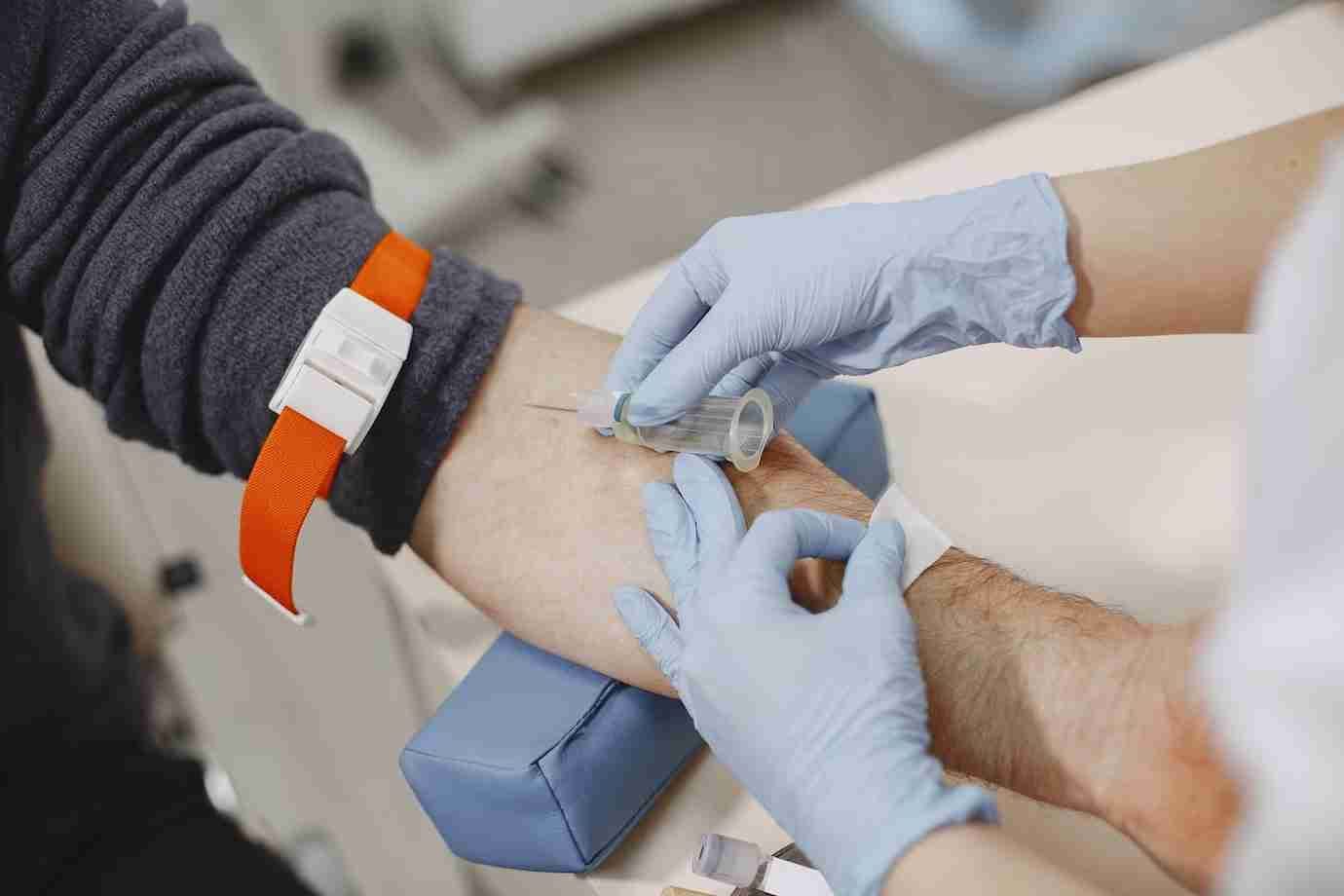
One tube from your arm, like a routine lab test.
- Step 3
Fifteen minutes in the centrifuge
The platelets are concentrated while you wait.
- Step 4
Numb and inject
Local anesthetic, then the plasma is placed in the joint under ultrasound guidance when the target calls for it.
- Step 5
Walk out
A few minutes' rest, then home; light activity is fine the same day.
Aftercare, week by week
Expect the treated knee to feel sore, stiff, and full for a day or two. That's not a complication — it's the point. PRP works partly by provoking a healing response, so a brief flare is normal, and because anti-inflammatory medications can blunt that response, you'll hold NSAIDs and lean on ice and acetaminophen instead.
| When | What to expect | What you can do |
|---|---|---|
| Day of injection | Numbing, pressure, then a full, sore knee; home the same day | Walk, drive yourself, light activity; ice and elevate |
| Days 1–2 | Soreness and stiffness — the intended healing response | Ice, acetaminophen or topical lidocaine; no NSAIDs |
| First 2 weeks | Soreness settles; benefit hasn't arrived yet | Keep holding NSAIDs; ease back to normal exercise over about a week, guided by comfort |
| Weeks 2–6 | Improvement typically begins as the biology takes hold; injections two and three happen in this window | Continue strengthening or physical therapy; no strenuous exercise for two to four weeks after each injection |
| After the series | Follow-up visit to measure how much it helped and for how long | Decide the next step with real information, not a package |
| About 6 months | In responders, relief often lasts six to nine months | A booster is an option if the first series earned it; individual results vary |
- Take it easy the day of the injection; light activity is fine
- Ice and elevate if the knee feels swollen or sore
- Hold anti-inflammatories (ibuprofen, naproxen, aspirin) for about two weeks; use acetaminophen or topical lidocaine
- Ease back to normal exercise over about a week, guided by comfort; no strenuous exercise for two to four weeks
- Keep any strengthening or physical therapy plan going — PRP works best alongside it
- Call the office for spreading redness, fever, or pain that keeps worsening after day two — rare, but not something to push through
Why the person holding the needle matters
PRP is offered everywhere from med-spas to franchise clinics, and the injection itself is the easy part. The judgment is not. Getting a real result from PRP starts long before the needle — with an accurate diagnosis. Is your knee pain actually arthritis, or is it a torn meniscus that PRP can't fix? How advanced is the wear? Is there something else going on that a shot would only mask?
A fellowship-trained joint surgeon answers those questions first, places the injection accurately into the right target, and — most importantly — tells you plainly when PRP isn't your best option. If biologics won't help you, someone who can also offer conventional injections and surgery has every reason to say so. PRP here sits inside a complete joint-preservation program, not on a sales menu.
Cost, insurance, and who should skip it
Be clear-eyed on cost: most insurers still classify PRP as investigational, so it is typically a cash-pay treatment. You'll receive a written quote for the recommended series — usually three injections over about six weeks — before you decide, with no packages pushed. The consultation and X-rays that decide candidacy are often covered, and if a hyaluronic acid gel injection fits your knee and your plan covers it, the office handles the authorization so the covered part stays covered.
PRP is usually not the right choice if your knee is end-stage bone-on-bone, if you have an active infection, certain blood disorders, or a bleeding tendency, or if you're seeking a one-and-done cure rather than a management tool.
What happens next. Start with an orthopedic consultation or call (808) 439-6201. PRP is offered at Pacific Bone & Joint in Honolulu (Ala Moana), West O‘ahu (Kunia), Hilo, and Kona; managed-care and Medicaid/Quest plans may need a referral from your primary care physician, which the office checks before your visit. If travel isn't practical, a telehealth consultation can review your imaging first, with the injection done in clinic.
Medically reviewed by Paul Norio Morton, MD, FAAOS, FAAHKS. Last reviewed: . This article is for education only and isn’t a substitute for an exam and personalized advice — schedule a consultation to discuss your situation.