

Does PRP help jumper's knee? The short answer
Sometimes — but not as a first treatment, and the trials are mixed. Jumper's knee is a load-related, degenerative tendon problem; the proven first-line treatment is a progressive loading program over several months. PRP — your concentrated platelets injected into the damaged tendon — is an option Dr. Paul Morton, a fellowship-trained knee surgeon in Honolulu, discusses when that program has failed, with honest expectations and a written quote.
- First line — progressive tendon loading (eccentric or heavy-slow-resistance work) and load management, with in-house physical therapy in Honolulu and Kunia
- Evidence for PRP — one randomized trial showed a short-term edge that disappeared by six months; the best trial found PRP no better than saline when both were paired with rehab
- Candidates — chronic cases that have genuinely completed a loading program and still can't train
- After the injection — sore for a day or two, no NSAIDs for about two weeks, no strenuous activity for two to four weeks, then back to loading
- Cost — cash-pay, quoted in writing before you decide; the consultation is often covered
What patellar tendinopathy is
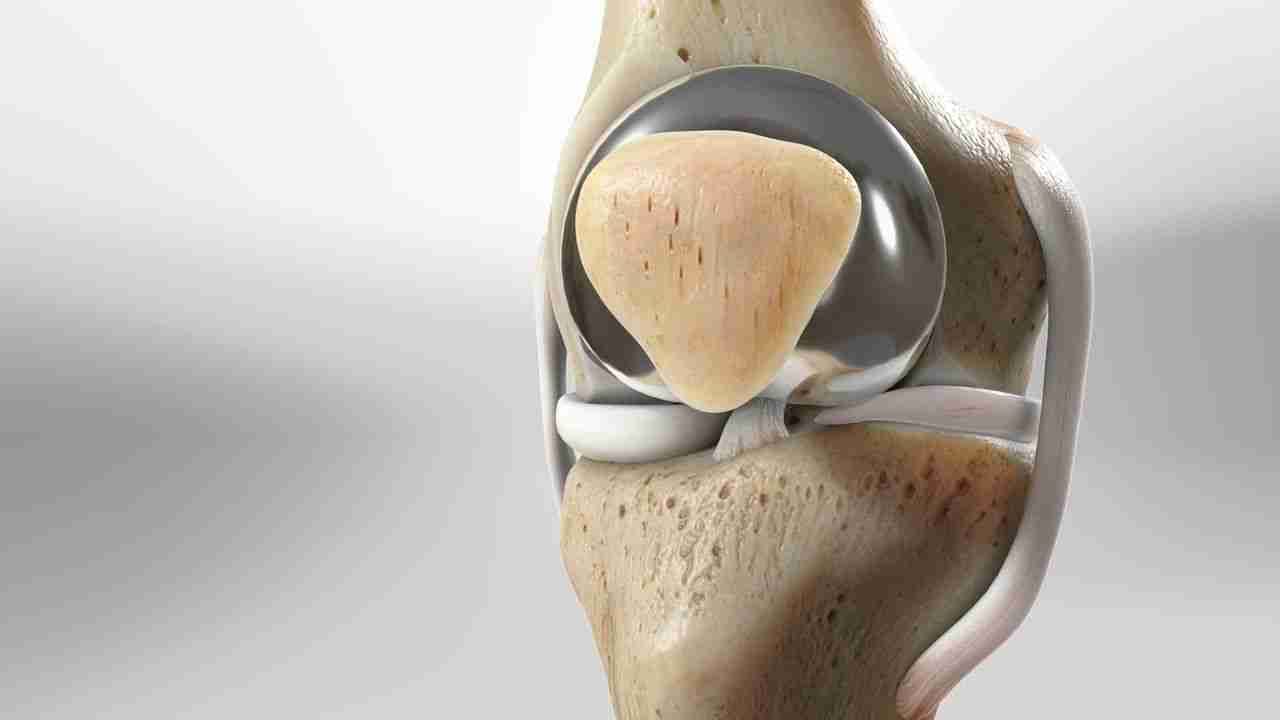
Patellar tendinopathy — still widely called patellar tendonitis — is pain in the patellar tendon, the strong cord that connects the kneecap to the shinbone and does the heavy lifting every time you straighten your leg. The older name is misleading: chronic jumper's knee is not primarily an inflammation. It is a load-related, degenerative process in which repeated jumping and running stress the tendon faster than it can adapt, and the tendon's structure gradually changes. That is why the condition earned its nickname, and why rest alone rarely fixes it — a tendon that is rested but never rebuilt hurts again the moment the load returns.
Typical symptoms include:
- Pain just below the kneecap, especially when extending the leg, landing from a jump, or going down stairs
- Tenderness when you press on the tendon
- Stiffness, particularly at the start of activity
- A tendon that sometimes looks or feels thickened
Left unaddressed, jumper's knee can become painful enough to interfere with everyday activities — not just sport. Front-of-knee pain deserves a proper diagnosis before any treatment plan, because the right treatment depends on what is actually wrong; Dr. Morton's guide to knee pain walks through the possibilities.
First-line treatment: progressive tendon loading
The consensus first-line treatment for patellar tendinopathy is not rest, ice, or an injection — it is progressive loading: a structured program of eccentric exercise (slow decline squats are the classic example) or heavy-slow-resistance training, built up over weeks and months so the tendon adapts to load instead of failing under it. Load management goes alongside: trimming the jumping and sprinting volume that overloaded the tendon while keeping the strengthening in.
This takes patience. Tendons remodel slowly, and a loading program needs a fair trial of several months before anyone can say it failed. The trials that tested PRP for this condition enrolled athletes whose symptoms had lasted six months or more, and paired every injection with weeks of supervised rehabilitation (Scott et al., American Journal of Sports Medicine, 2019) — which tells you where the field's confidence actually lies. Physical therapy is available in-house at Dr. Morton's Honolulu and Kunia clinics, so the loading program and any later decision about injections are coordinated under one roof.
What PRP is and how it's thought to work
Platelet-rich plasma is made from your own blood. A small sample is drawn and spun in a centrifuge to concentrate the platelets — the cells that carry growth factors involved in tissue repair — and the concentrate is injected under ultrasound guidance into the damaged portion of the tendon.
Dr. Morton is candid about the science: the precise mechanism is not fully understood. The prevailing theory is that the growth factors platelets release may stimulate a repair response in a degenerated tendon that has a naturally limited blood supply. Whether that theory translates into better outcomes than rehab alone is exactly what the trials below tested.

What the trials show
Two randomized trials frame the honest answer.
- A short-term edge that fades. In a 23-patient trial (Dragoo et al., American Journal of Sports Medicine, 2014), athletes who had already failed nonoperative care received either ultrasound-guided dry needling alone or dry needling plus a leukocyte-rich PRP injection, both with a standardized eccentric exercise program. The PRP group improved significantly more at 12 weeks — but by 26 weeks the difference between groups had disappeared.
- No better than saline with rehab. A larger, multi-site level-1 trial (Scott et al., American Journal of Sports Medicine, 2019) randomized 57 athletes with at least six months of symptoms to a single ultrasound-guided injection of leukocyte-rich PRP, leukocyte-poor PRP, or saline, each followed by six weeks of supervised heavy-slow-resistance rehab. There was no significant difference among the three groups at 12 weeks or at any point through one year.
The fair summary: PRP for jumper's knee has mixed trial results at best. It may speed early improvement for some athletes, and it is safe, but it has not been shown to beat a good loading program. That is why it is offered here as an option after rehab has genuinely been tried — with expectations set accordingly, and never as a package. It sits within the orthobiologics program alongside other injection options, each labeled honestly.
Are you a candidate?
PRP is not the first move for jumper's knee — and it should not be sold as one.
It may be worth discussing if…
- You have chronic patellar tendinopathy — months of symptoms, not a fresh flare
- You have genuinely completed a progressive loading program for several months and still can't train or play
- Imaging and exam confirm the tendon is the problem — not the kneecap joint, a fat-pad irritation, or a meniscus tear
- You want a minimally invasive option before considering anything more aggressive, and you understand the mixed evidence
It's probably not the right step if…
- You haven't tried a structured loading program, or tried one for only a few weeks
- You're looking for a shortcut around rehab — PRP without the strengthening program tends to disappoint
- You have a low platelet count, an active infection, severe anemia, or active cancer
- You'd rather use a covered option first; a tendon-focused physical therapy plan usually is
What a PRP injection for the tendon involves
If PRP is the right call, it's a single office visit of about an hour, with local numbing only. Prescription blood thinners are coordinated with your prescriber beforehand — never stopped on your own — and over-the-counter anti-inflammatories are usually held for about a week.
- Step 1
Exam and ultrasound
Confirm the tendon is the pain source and locate the damaged segment.
- Step 2
Blood draw and spin
One tube from your arm; about fifteen minutes in the centrifuge.
- Step 3
Ultrasound-guided injection
Local anesthetic, then the concentrate is placed into the damaged part of the tendon.
- Step 4
First two weeks
Sore for a day or two; ice and acetaminophen, no NSAIDs, light activity only.
- Step 5
Weeks 2–4
No strenuous activity yet; ease back into the loading program with your therapist.
- Step 6
Follow-up
Measure the response and decide the next step — never a second shot by default.
Patellar tendinopathy care with Dr. Morton
Dr. Morton regularly cares for patients with sports injuries, including patellar tendinopathy, and has years of experience helping active patients return to the activities they love. He sees patients at Pacific Bone & Joint in Honolulu (Ala Moana), West O‘ahu (Kunia), Hilo, and Kona — call (808) 439-6201 or request an orthopedic consultation to have the tendon properly diagnosed and a loading program started, and to find out whether PRP has a place in your plan.
Bring a photo ID, your insurance card, a medication list, and any prior imaging. Managed-care and Medicaid/Quest plans may need a referral from your primary care physician, which the office checks before your visit. If you're on a neighbor island without a nearby clinic, a telehealth visit can start the conversation, with any injection done in clinic.
Medically reviewed by Paul Norio Morton, MD, FAAOS, FAAHKS. Last reviewed: . This article is for education only and isn’t a substitute for an exam and personalized advice — schedule a consultation to discuss your situation.