
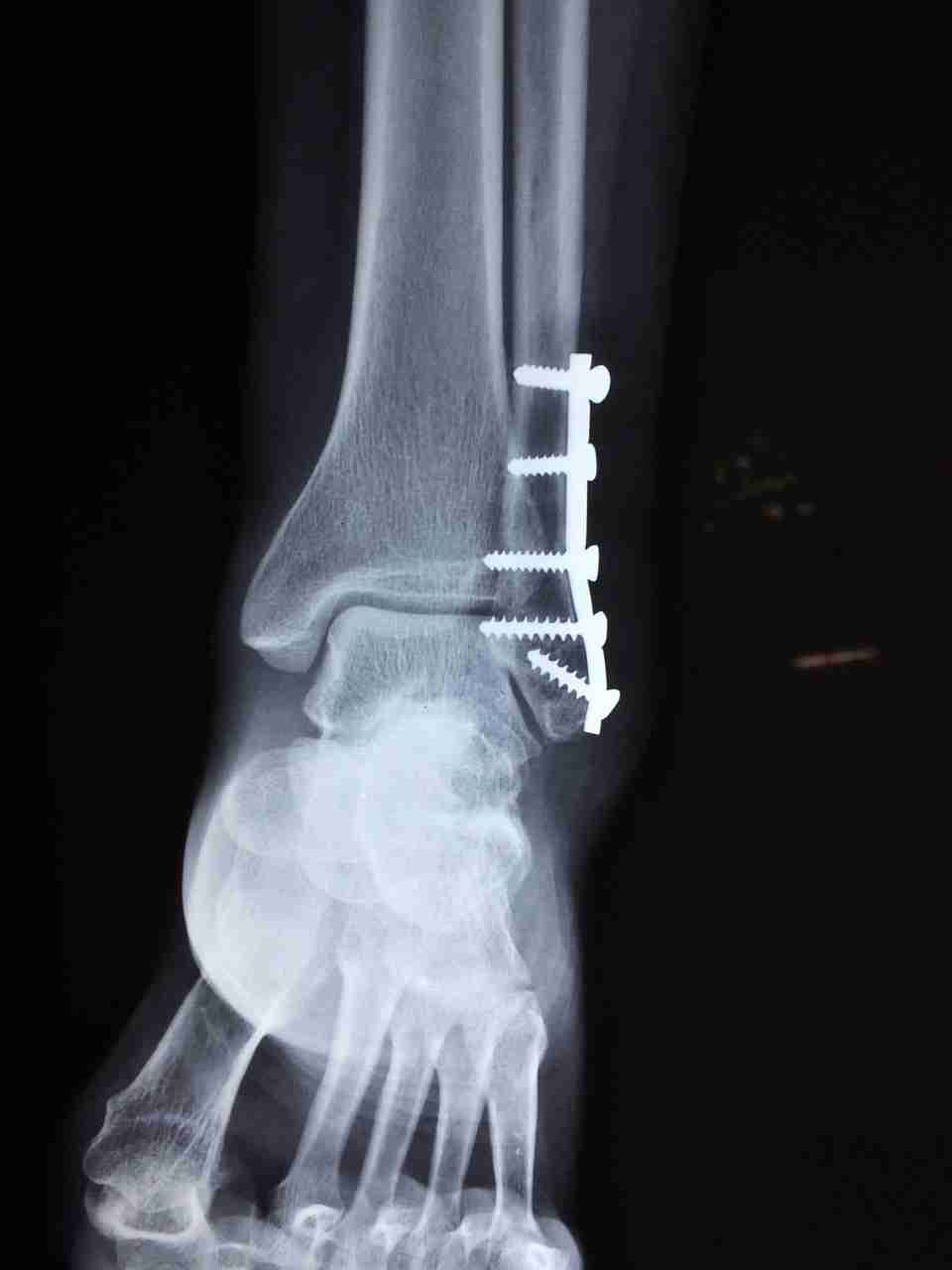
What counts as orthopedic trauma
The category is broader than car crashes: a wrist broken bracing a fall, a shoulder that popped out surfing, an ankle rolled on a trail, a hip fracture in a parent, a finger crushed at a job site — and the stubborn 'I hurt it months ago and it still isn't right' pain that never got a real diagnosis. All of it benefits from the same two things: accurate imaging early and a treatment plan matched to how bone and soft tissue actually heal.
Skip the ER (usually): walk-in orthopedic urgent care
Most orthopedic injuries don't need an emergency room — they need an orthopedic clinic that moves fast. Wiki Wiki Orthopedics ('wiki wiki' = quick) in the Kunia Shopping Center provides walk-in injury care with X-ray on site: fracture diagnosis, casting and splinting, injections, and direct escalation to Dr. Morton when hip, knee, or fracture surgery in his specialty is needed — typically at a fraction of ER cost and wait time.
- X-ray, evaluation, and treatment in one walk-in visit
- Casting, splinting, and fracture follow-up
- Direct line to surgical care when needed — no starting over
- Workers' comp and sports injuries handled routinely
Fracture surgery with trauma-fellowship judgment
When a fracture needs fixation, training shows. Dr. Morton completed an AO Trauma Fellowship at Charité Universitätsmedizin Berlin — the AO Foundation being the global authority on fracture care — on top of his adult reconstruction fellowship. That combination matters most where trauma meets joints: fractures near hips and knees, hip fractures where the fix-or-replace decision determines the next decade, and post-traumatic arthritis years after an old injury.
The injury that never healed right
A special invitation to a specific patient: the one whose injury was 'treated' — or ignored — months or years ago and still aches, clicks, or gives way. Old fractures that healed crooked, missed ligament injuries, cartilage damage quietly progressing: these are solvable problems, and the earlier they're addressed the more options exist, from joint-preserving procedures to biologics. Persistent post-injury pain deserves a real diagnosis, not a shrug.
Medically reviewed by Paul N. Morton, MD, FAAOS, FAAHKS — board-certified orthopedic surgeon, fellowship-trained in adult hip & knee reconstruction and orthopedic trauma.
This page is for education only and isn’t a substitute for an exam and personalized advice — schedule a consultation to discuss your situation.