
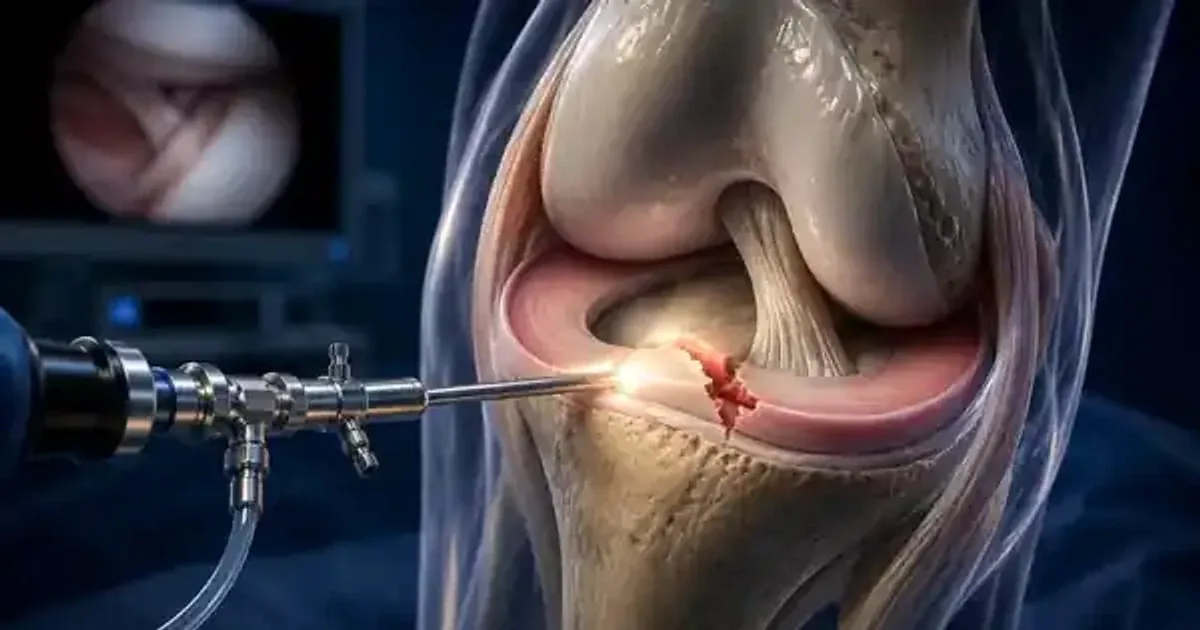
Clicking knee — the short answer
Clicking by itself, with no pain, swelling, or catching, is usually not a torn meniscus; painless popping, which doctors call crepitus, is common and generally harmless. The picture changes when the noise comes with company: joint-line pain, swelling after activity, catching, or a knee that locks points toward a meniscus tear. The useful question isn't why your knee clicks. It's what comes with the click.
- Painless clicking with full motion and no swelling is almost always harmless crepitus
- Clicking plus joint-line pain, swelling, catching, or locking points to a meniscus tear — worth an exam
- Grinding on stairs and squats with stiffness after sitting suggests cartilage wear, a different problem
- A locked knee that won't straighten needs prompt evaluation — same-week on O‘ahu
What harmless clicking usually is
Most knee noise has boring explanations. Gas bubbles in the joint fluid collapse and pop — the same mechanism as cracking your knuckles. Tendons and ligaments snap over bony ridges as the knee bends, especially the iliotibial band on the outside of the knee. And the kneecap glides in a groove on the thigh bone; small variations in how it tracks produce clicks and clunks, particularly on stairs or when standing from a chair.
Hallmarks of benign crepitus: it's painless, it's often symmetric or long-standing, it doesn't come with swelling, and the knee works normally — full motion, no giving way, no locking. If that describes your knee, the noise alone is not a reason for an MRI, and it's not a sign your knee is wearing out. Knees that click for years without symptoms mostly keep doing exactly that. Staying strong and active does more for a noisy knee than resting it ever will.
When clicking points to a meniscus tear
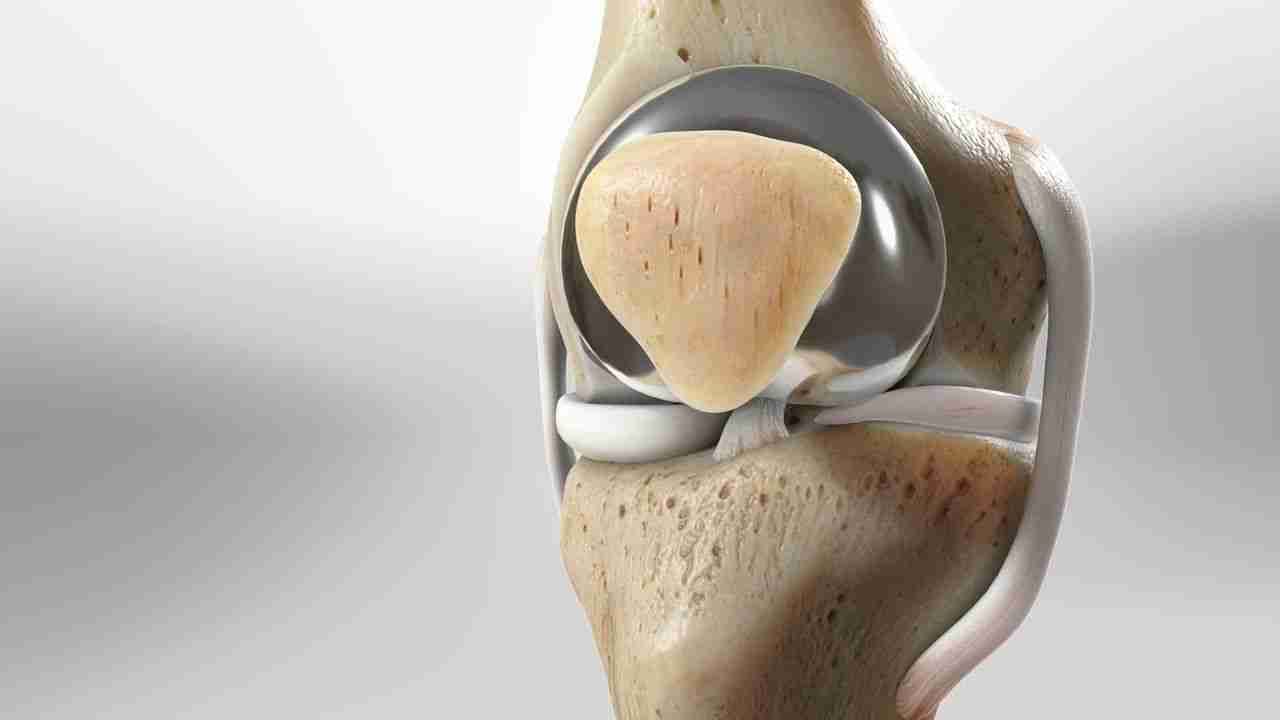
The meniscus is the C-shaped shock absorber between your thigh and shin bones — each knee has two. Tears happen two ways: a twist or squat injury in a younger person, often during sports, or gradual fraying in an older knee where the tissue has worn with time, sometimes with no memorable injury at all.
A torn meniscus produces a distinctive pattern. Pain lives along the joint line — the horizontal seam on the inner or outer side of the knee — and gets worse with twisting, pivoting, deep squatting, or getting out of a car. The knee may swell after activity rather than immediately. Catching, clicking that hurts, and a sensation that something is moving inside the joint are classic. The most specific sign is true locking: the knee gets stuck and won't fully straighten because a torn fragment is blocking the joint. If that pattern sounds familiar, it's worth reading about meniscus repair surgery — and worth an exam.
Or is it cartilage? Grinding versus clicking
The other structure that makes noise is the articular cartilage — the smooth white surface coating the ends of the bones. When it softens or wears, the surfaces stop gliding silently, and you get grinding or crunching, often felt under the kneecap on stairs and squats. Behind the kneecap in younger patients this is called chondromalacia; more broadly, worn cartilage with pain and stiffness is early arthritis.
Cartilage-related noise tends to feel like sandpaper rather than a discrete click, and it comes with its own pattern: stiffness after sitting, aching after activity, trouble with stairs, and gradual onset over months to years rather than a single moment. Pain at the front of the knee, especially inner-side knee pain in older patients, often reflects this kind of wear. The distinction matters because the treatments differ — cartilage wear is managed very differently from a repairable meniscus tear.
When to get seen
A simple rule: noise alone can wait; noise with symptoms should be examined. A knee that clicks painlessly and works normally can be watched. A knee that clicks and also hurts, swells, catches, or buckles is telling you something mechanical is going on — and mechanical problems rarely fix themselves.
Timing matters more than most people think. A locked knee needs prompt attention, and a repairable meniscus tear can become unrepairable when it's ignored for months while the torn edges fray. See a knee specialist promptly if any of the following apply.
- A locked knee that won't fully straighten — this deserves urgent evaluation
- Clicking with pain along the inner or outer joint line
- Swelling, especially recurring swelling after activity
- Catching, giving way, or a feeling that something shifts inside the knee
- A twisting injury followed by new clicking or pain
- Symptoms that persist beyond a few weeks despite rest
What an evaluation — and treatment — looks like
Sorting this out is straightforward, and it usually takes one visit. A focused exam checks joint-line tenderness, meniscus provocation tests, kneecap tracking, and stability. X-rays show alignment and any arthritis; an MRI, when the story suggests a tear, shows the meniscus and cartilage directly. You leave with an actual diagnosis instead of a guess — which matters, because the treatments for a torn meniscus, worn cartilage, and a benign clicky knee have almost nothing in common.
Treatment depends entirely on what's found. Benign crepitus needs reassurance and nothing else. Many degenerative meniscus tears settle with activity modification, physical therapy, and time. Tears that cause locking or persistent mechanical symptoms are treated with knee arthroscopy — and when the tear is repairable, Dr. Morton stitches the meniscus back together rather than removing it, because preserved meniscus protects the knee from arthritis for decades. For borderline repairs, PRP-augmented repair — concentrated platelet-rich plasma placed at the suture line — is an optional add-on that may improve healing odds; the evidence is mixed and it's quoted transparently as a cash-pay extra.
How to get seen — and what to bring
If your knee has been clicking with pain, swelling, or catching, schedule a consultation or call (808) 439-6201 — a clear answer beats months of wondering. Dr. Morton sees patients in Honolulu (Ala Moana), Kunia, Hilo, and Kona; a knee that locked after a twist can be seen the same week, and Wiki Wiki Orthopedics in West O‘ahu takes walk-ins with X-ray on site. Bring any imaging you already have; managed-care and Medicaid/Quest plans may need a referral from your primary care physician, which the office checks before your visit. Neighbor island patients can start by telehealth with local imaging when an in-person visit isn't practical.
Medically reviewed by Paul Norio Morton, MD, FAAOS, FAAHKS. Last reviewed: . This article is for education only and isn’t a substitute for an exam and personalized advice — schedule a consultation to discuss your situation.